


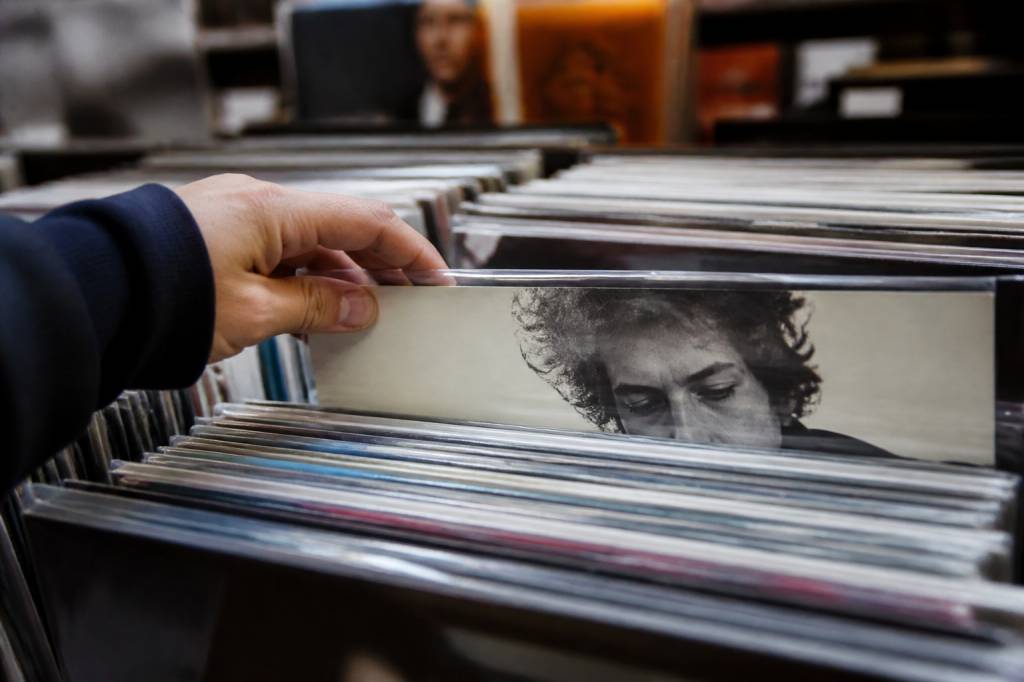
Billboard albums are more than chart statistics. They are a record of what listeners bought, streamed, repeated, and argued about. They capture the moments when an album stopped being just a release and became a cultural event. If you want to understand modern music history, the Billboard era is a useful map: it tracks not only hits, but shifts in taste, technology, industry power, and fan behavior.
This list is not a museum piece. It’s a snapshot of the albums that changed the rules, crossed genre lines, or defined entire generations. Some were blockbuster sellers. Others rewired what a mainstream album could sound like. A few did both. And yes, some choices will spark debate—because if an album shaped history and nobody disagrees with you, did it really matter?
Why Billboard albums matter
Billboard charts do not measure artistic value in a vacuum. They measure reach, momentum, and resonance. That makes them imperfect, but also brutally revealing. When an album dominates Billboard, it usually means one of three things: it captured the moment, it changed the market, or it created a new one.
The albums below represent those turning points. Together, they trace the shift from vinyl dominance to CD superstardom, from rap’s rise to pop’s global consolidation, from rock’s stadium era to the streaming age. They show how the center of gravity in music kept moving—and how certain records pulled it with them.
The albums that changed the game
Here are 100 Billboard-era albums that helped shape modern music history, grouped loosely by era and impact.
- Michael Jackson – Thriller: The benchmark for pop crossover, video-era dominance, and global album sales.
- Whitney Houston – Whitney Houston: A vocal masterclass that helped define late-’80s pop sophistication.
- Prince – Purple Rain: A rare soundtrack that became a generational rock-pop statement.
- Madonna – Like a Virgin: Pop as provocation, branding, and commercial precision.
- Bruce Springsteen – Born in the U.S.A.: Arena rock with political ambiguity and mass appeal.
- Phil Collins – No Jacket Required: Proof that polished pop-rock could own the charts.
- Janet Jackson – Control: The moment Janet became a force on her own terms.
- Janet Jackson – Rhythm Nation 1814: Concept album ambition with serious Billboard muscle.
- George Michael – Faith: Pop, R&B, and sleek masculinity in one clean package.
- Lionel Richie – Can’t Slow Down: An easy, overlooked blueprint for adult contemporary domination.
- Backstreet Boys – Millennium: The boy-band peak, sold with precision and hysteria.
- Britney Spears – …Baby One More Time: Teen pop as a full-scale commercial event.
- NSYNC – No Strings Attached: The late-’90s pop machine at maximum power.
- Celine Dion – Falling into You: Vocal spectacle with global chart staying power.
- Mariah Carey – Music Box: A pop-R&B bridge with massive audience reach.
- Mariah Carey – Daydream: One of the most important crossover pop albums of the decade.
- Boyz II Men – II: Harmonies, ballads, and R&B dominance on an industrial scale.
- Alanis Morissette – Jagged Little Pill: Anger, vulnerability, and female rock success at the mainstream level.
- Shania Twain – Come On Over: Country-pop fusion that redefined crossover sales.
- Dixie Chicks – Wide Open Spaces: Country’s mainstream breakthrough with real cultural reach.
Rock, metal, and the album as statement
Rock didn’t disappear; it just had to compete harder. The strongest Billboard rock albums of the modern era succeeded because they were bigger than genre. They were identity markers.
- Fleetwood Mac – Rumours: Drama, melody, and near-perfect pop-rock construction.
- Pink Floyd – The Wall: The concept album as blockbuster.
- AC/DC – Back in Black: A hard-rock monument with enduring sales power.
- Guns N’ Roses – Appetite for Destruction: Dirt, danger, and mainstream rock’s last great swagger.
- U2 – The Joshua Tree: Stadium-scale seriousness that crossed the Atlantic and then some.
- Nirvana – Nevermind: The album that shoved alternative rock into the center of pop culture.
- Pearl Jam – Ten: Grunge’s emotional and commercial anchor.
- Metallica – Metallica: Also known as The Black Album, and for good reason.
- Bon Jovi – Slippery When Wet: Hair metal at its most efficient and omnipresent.
- Def Leppard – Hysteria: Maximalist rock production that still sells.
- Linkin Park – Hybrid Theory: Nu-metal’s gateway album for a new generation.
- Eagles – Hotel California: One of the most durable catalog albums in Billboard history.
Hip-hop’s rise from culture to industry core
If you want one of the biggest stories in modern music history, follow hip-hop’s path across the Billboard landscape. What began as a local force became the dominant language of youth culture, then one of the music business’s main engines. That transition is visible album by album.
- Run-D.M.C. – Raising Hell: A bridge between rap, rock, and mainstream acceptance.
- Public Enemy – It Takes a Nation of Millions to Hold Us Back: Politically charged and sonically aggressive.
- N.W.A. – Straight Outta Compton: Raw, confrontational, and impossible to ignore.
- Dr. Dre – The Chronic: West Coast rap’s commercial and creative reset.
- Snoop Dogg – Doggystyle: G-funk with undeniable chart power.
- 2Pac – All Eyez on Me: A double album that became a cultural document.
- The Notorious B.I.G. – Ready to Die: East Coast storytelling with lasting influence.
- Lauryn Hill – The Miseducation of Lauryn Hill: Genre fluidity, lyrical authority, and huge crossover reach.
- Eminem – The Marshall Mathers LP: Controversy and sales at a scale few could match.
- OutKast – Speakerboxxx/The Love Below: A double album that bent the rules and won anyway.
- 50 Cent – Get Rich or Die Tryin’: Mixtape momentum translated into global dominance.
- Kanye West – The College Dropout: Self-aware, sample-rich, and industry-shifting.
- Kanye West – My Beautiful Dark Twisted Fantasy: The modern rap album as luxury excess and artistic reset.
- JAY-Z – The Blueprint: A production-driven classic with long-tail influence.
- Drake – Take Care: The emotional blueprint for rap’s streaming-era mainstream.
- Kendrick Lamar – To Pimp a Butterfly: A modern landmark in ambition, politics, and jazz-inflected rap.
- Kendrick Lamar – DAMN.: Focused, commercial, and deeply structural.
- Travis Scott – Astroworld: Event-album logic for the playlist age.
- Nicki Minaj – Pink Friday: A key pop-rap crossover with a distinct voice.
- Future – DS2: Trap’s mood, aesthetic, and commercial logic in sharp form.
Pop albums that defined the chart era
Pop is often dismissed as lightweight until you check the numbers. The strongest pop albums on Billboard do more than sell; they set the temperature. They influence fashion, production trends, radio formats, and the entire idea of what mainstream sound should be.
- Taylor Swift – Fearless: Country-pop perfected for mass consumption.
- Taylor Swift – 1989: The full pivot to synth-pop, and a strategic masterstroke.
- Taylor Swift – Red: The album where genre boundaries started looking optional.
- Adele – 21: A rare album that felt huge in a fragmented market.
- Adele – 25: Proof that physical-era demand still had life.
- Lady Gaga – The Fame: Art-pop with serious chart durability.
- Lady Gaga – Born This Way: Maximalism, identity, and arena-sized hooks.
- Rihanna – Loud: Hit-making with zero wasted motion.
- Rihanna – Anti: A pop star making a deliberate left turn and winning anyway.
- Beyoncé – Beyoncé: The surprise release that changed rollout strategy.
- Beyoncé – Lemonade: A visual-album event with industry-wide ripple effects.
- Billie Eilish – When We All Fall Asleep, Where Do We Go?: Minimalism and mood as mainstream forces.
- Olivia Rodrigo – SOUR: Gen Z heartbreak with old-school chart clarity.
- Justin Timberlake – FutureSex/LoveSounds: Pop’s sleek, rhythmic turn in the mid-2000s.
- Ariana Grande – thank u, next: Fast, efficient, and culturally omnipresent.
R&B, soul, and the albums that moved the center
R&B has shaped modern pop more than the charts often admit. Its innovations in vocal phrasing, production, and emotional directness have fed every major era. Some of the most influential Billboard albums lived in R&B first, then spread outward.
- Stevie Wonder – Songs in the Key of Life: A towering statement in songwriting and arrangement.
- Aretha Franklin – I Never Loved a Man the Way I Love You: Soul with authority.
- Marvin Gaye – What’s Going On: Social commentary without sacrificing beauty.
- Chaka Khan – I Feel for You: Funk, pop, and vocal firepower.
- Usher – Confessions: One of the defining R&B albums of the 2000s.
- Usher – 8701: The setup for a star at full commercial peak.
- Alicia Keys – Songs in A Minor: Piano-led soul with mainstream force.
- Mary J. Blige – My Life: Vulnerability as strength, and a blueprint for modern R&B honesty.
- Frank Ocean – Channel Orange: A quiet revolution in songwriting and mood.
- The Weeknd – Beauty Behind the Madness: Dark pop-R&B with stadium ambition.
- Bruno Mars – 24K Magic: Retro polish engineered for the modern chart cycle.
Why these 100 still matter now
The common thread is not just success. It is influence. These albums changed how artists write, how labels market, how radio formats adapt, and how listeners define “a big album.” Some changed sonic language. Others changed rollout strategy. A few changed what an audience believed was possible from a genre that had been underestimated.
Look closely, and you can see the industry’s major pivots: the rise of the album as a superstar product, the collapse of genre fences, the dominance of hip-hop, the power of surprise releases, and the shift from ownership to access. Billboard did not cause those changes. It recorded them, often in real time, which is exactly why these albums remain so useful as historical markers.
And if there’s a lesson here, it’s simple: the chart is never just the chart. It is a ledger of taste, technology, and power. These 100 albums earned their place because they didn’t just sell. They moved the culture forward, sometimes loudly, sometimes quietly, and sometimes with a single song that rewired the room.